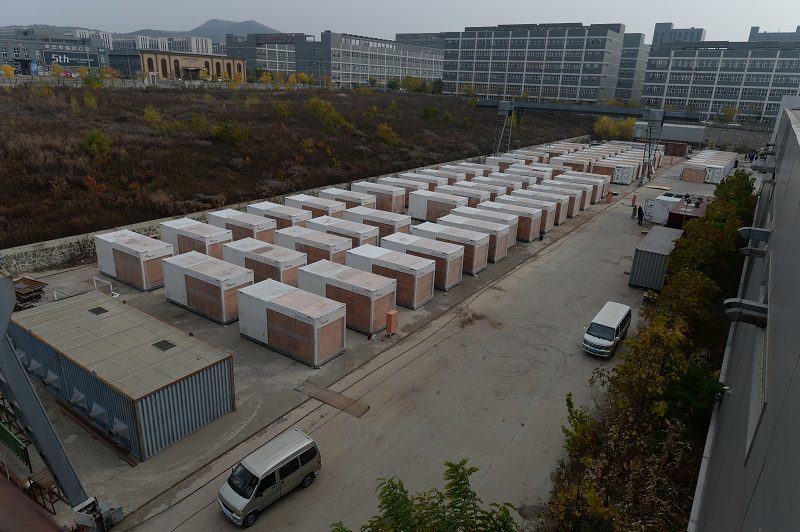
In the late autumn of 2018, at the Port of Dalian in China, more than 70 containers stood ready for departure, bound for Myanmar, where a distributed power station was waiting for the shipment to arrive. Very few people knew what the equipment inside those containers would go on to do. That departure may well have marked the opening of a global market whose scale is almost impossible to assess, and the same equipment may in future enter a wide range of industries, bringing enormous disruption and sweeping change to the global energy market.
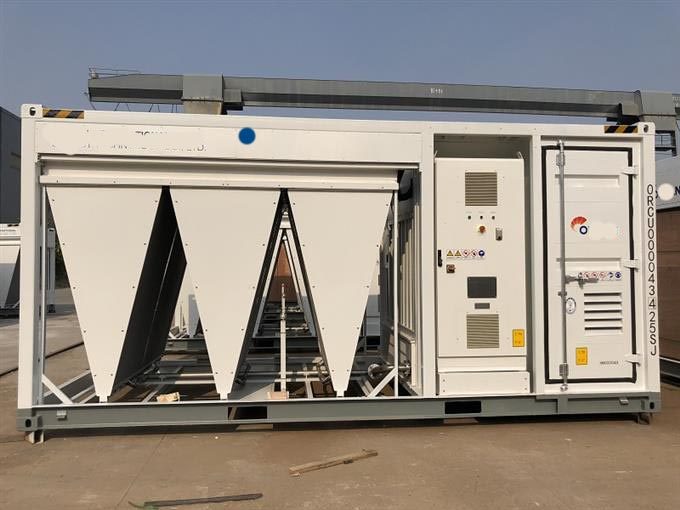
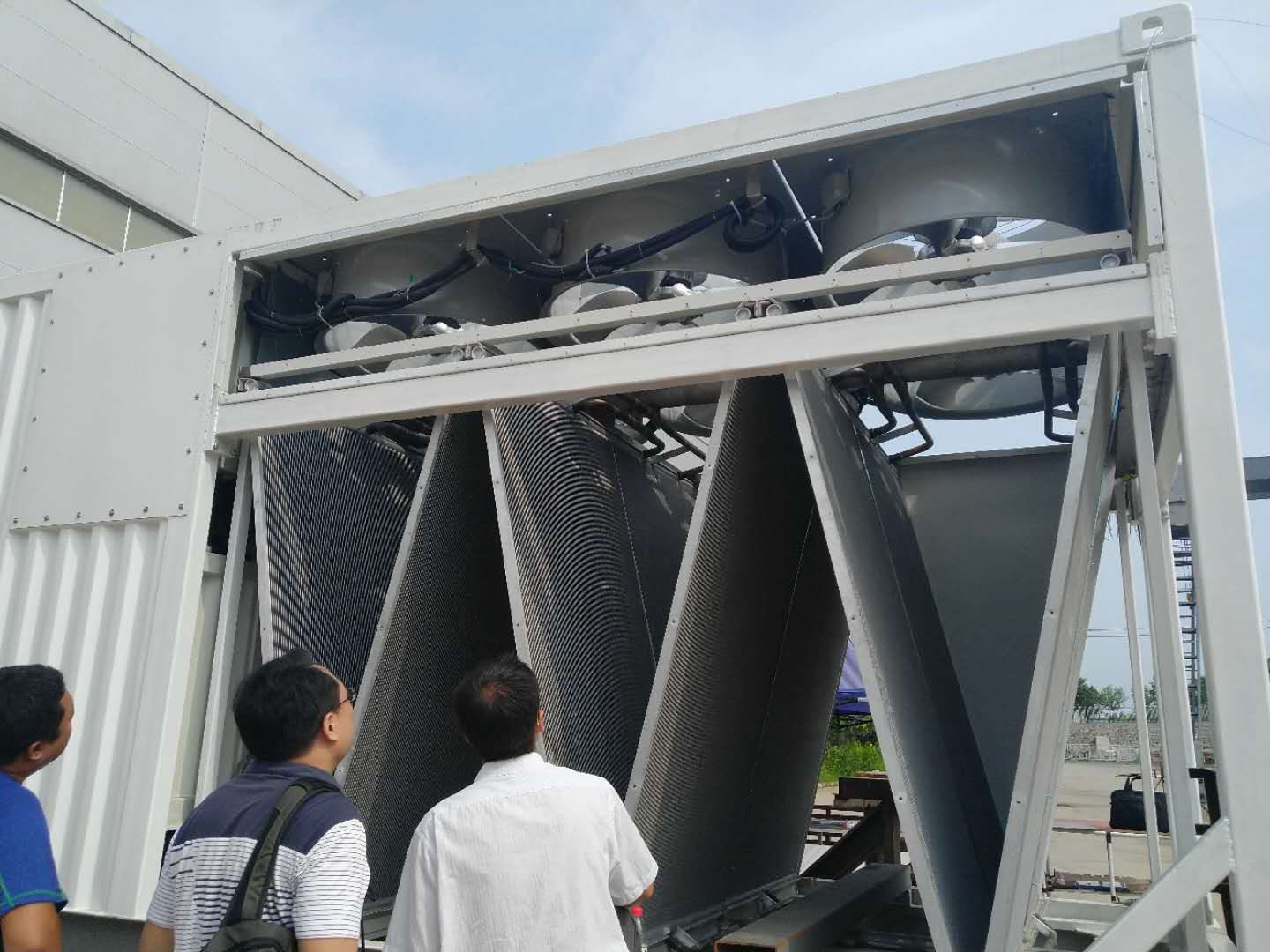
This is a low-temperature waste-heat generator with a power output of 90 kW. What sets its technology apart from conventional generation that uses water or steam as the working fluid is that it circulates an organic working fluid (such as R123 or isobutane) instead of water or steam. Because organic fluids vaporize at lower temperatures and build higher pressure to drive the expander, the technology can turn low-temperature waste heat into electricity with real commercial value, using resources such as flue gas at around 200 °C and hot water at around 130 °C.
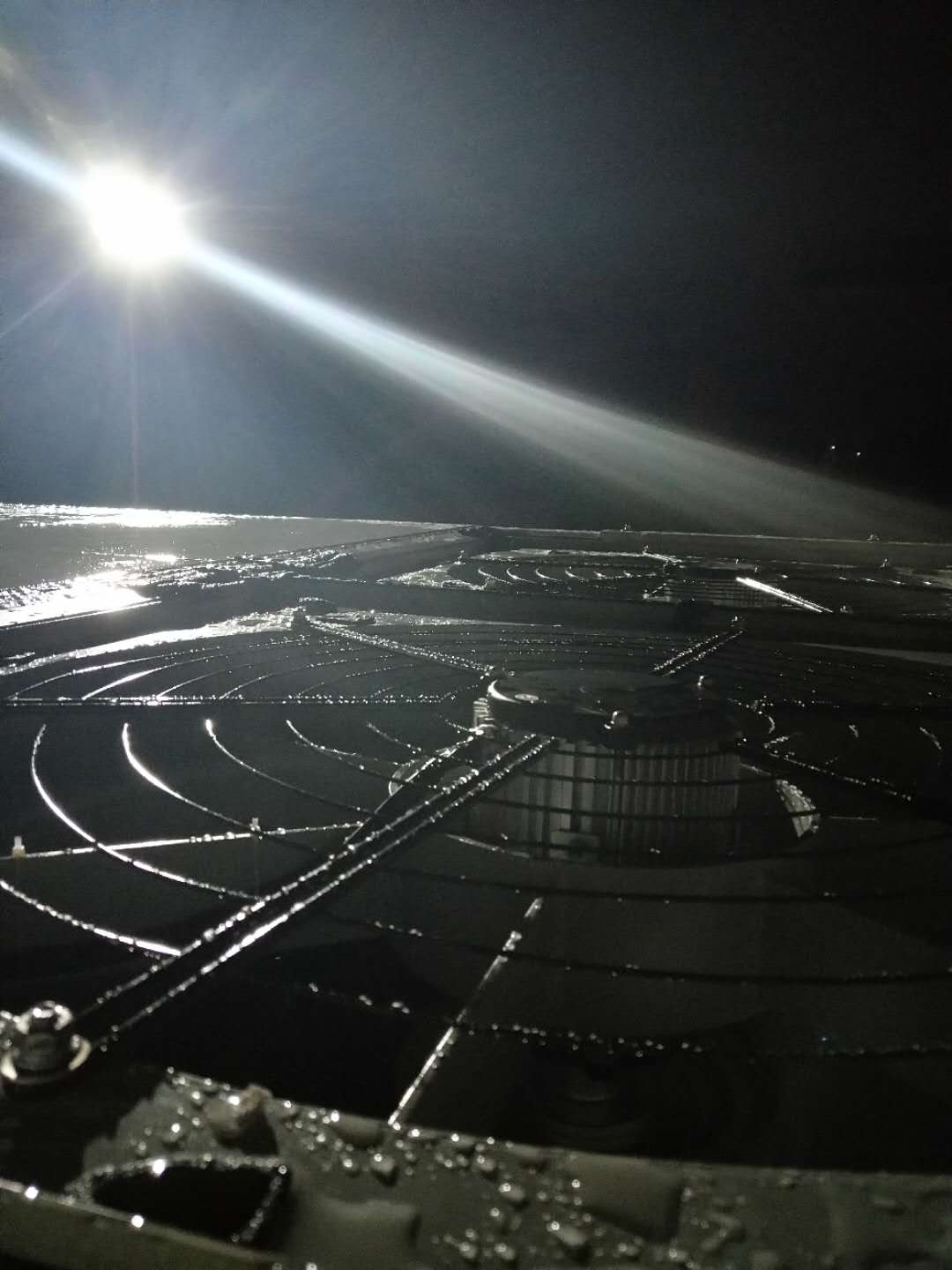
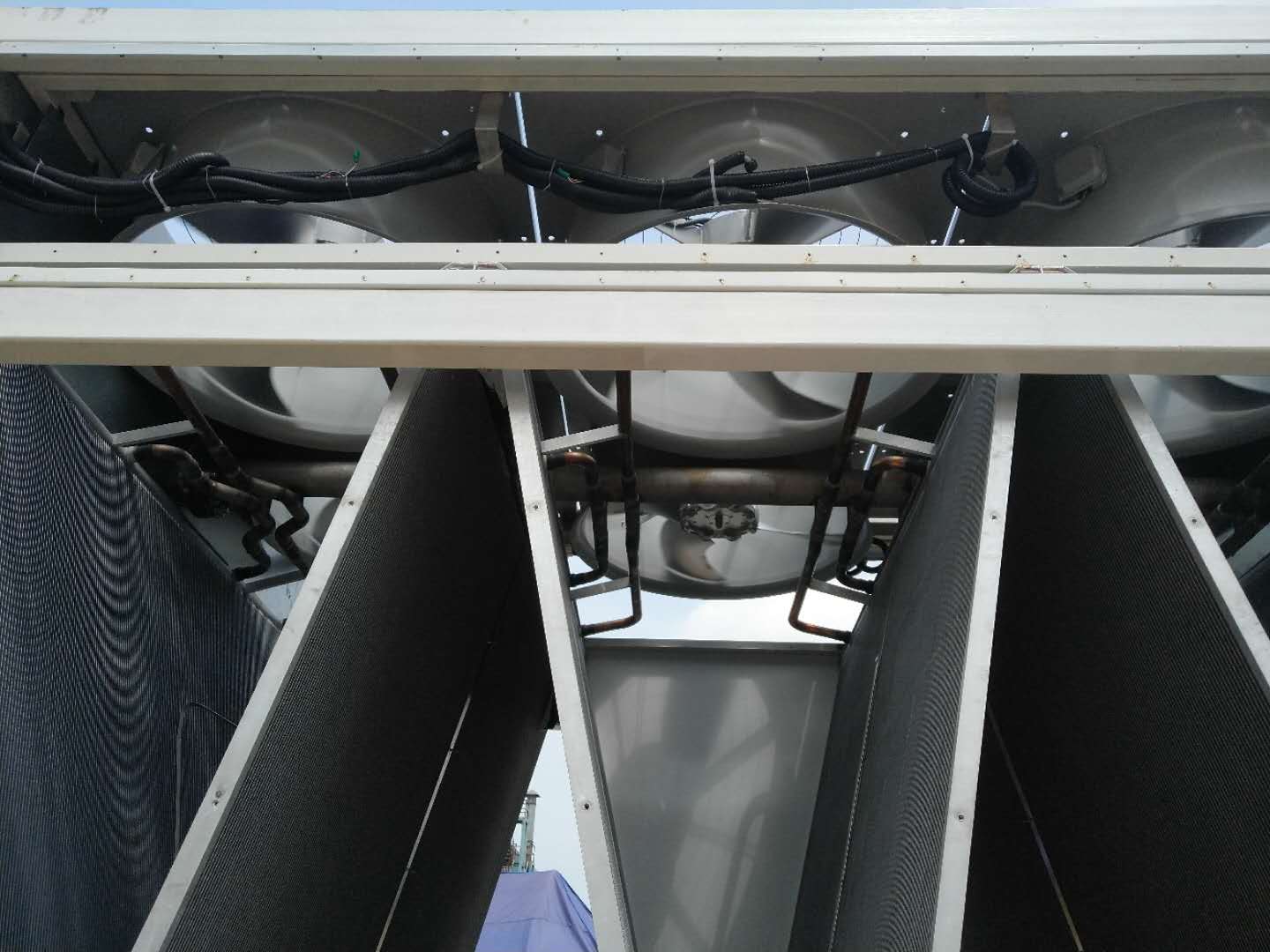
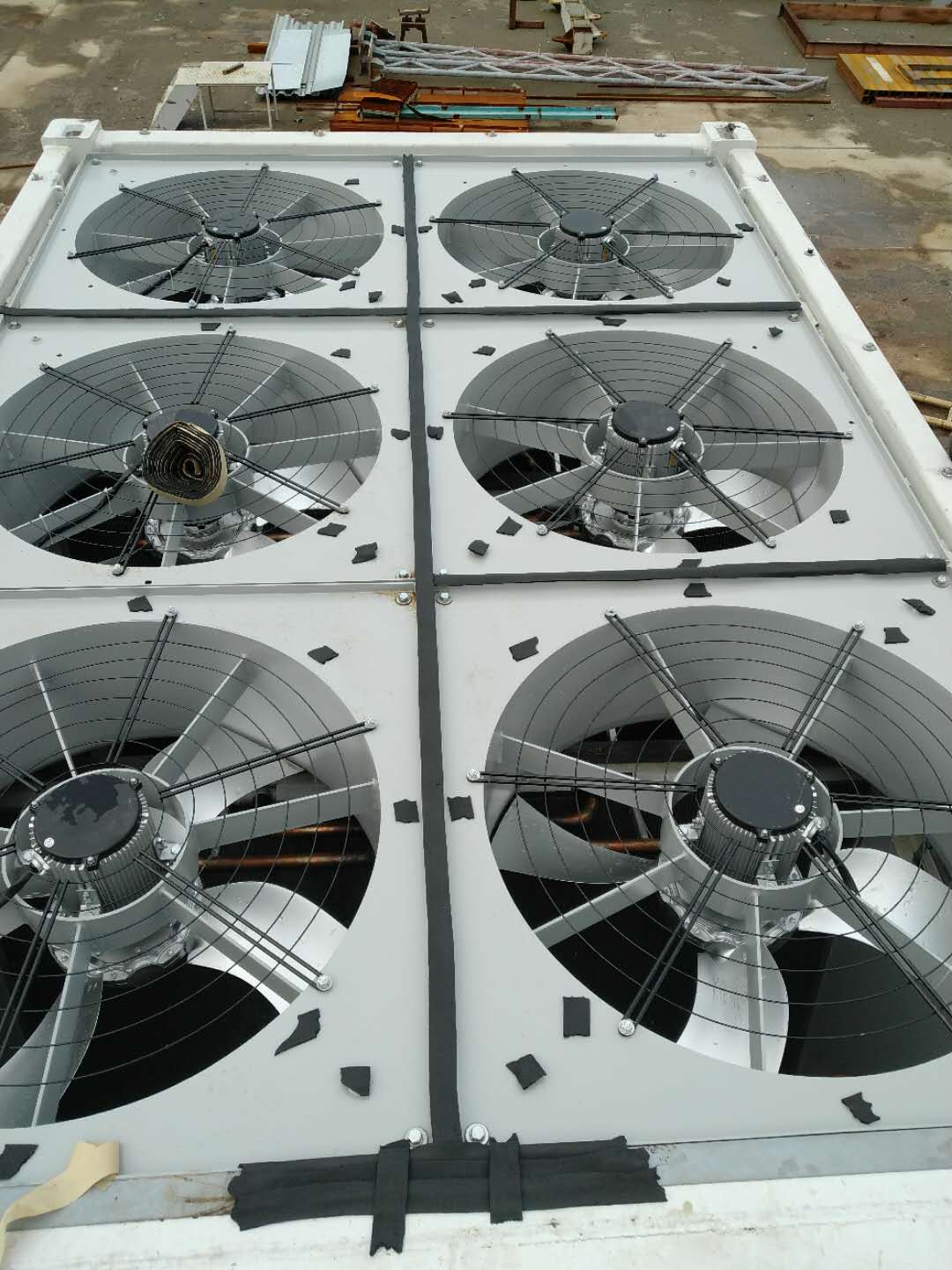
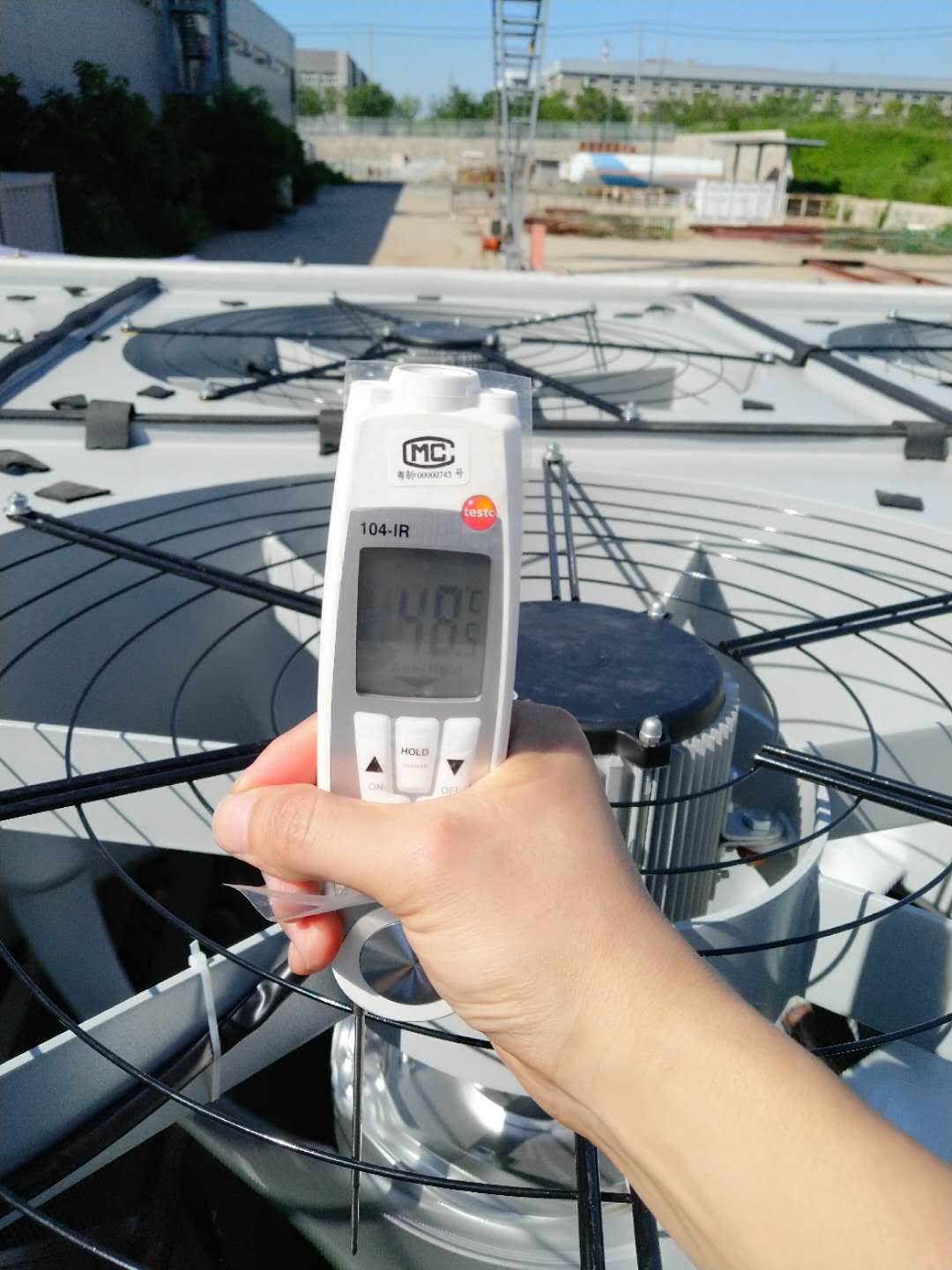
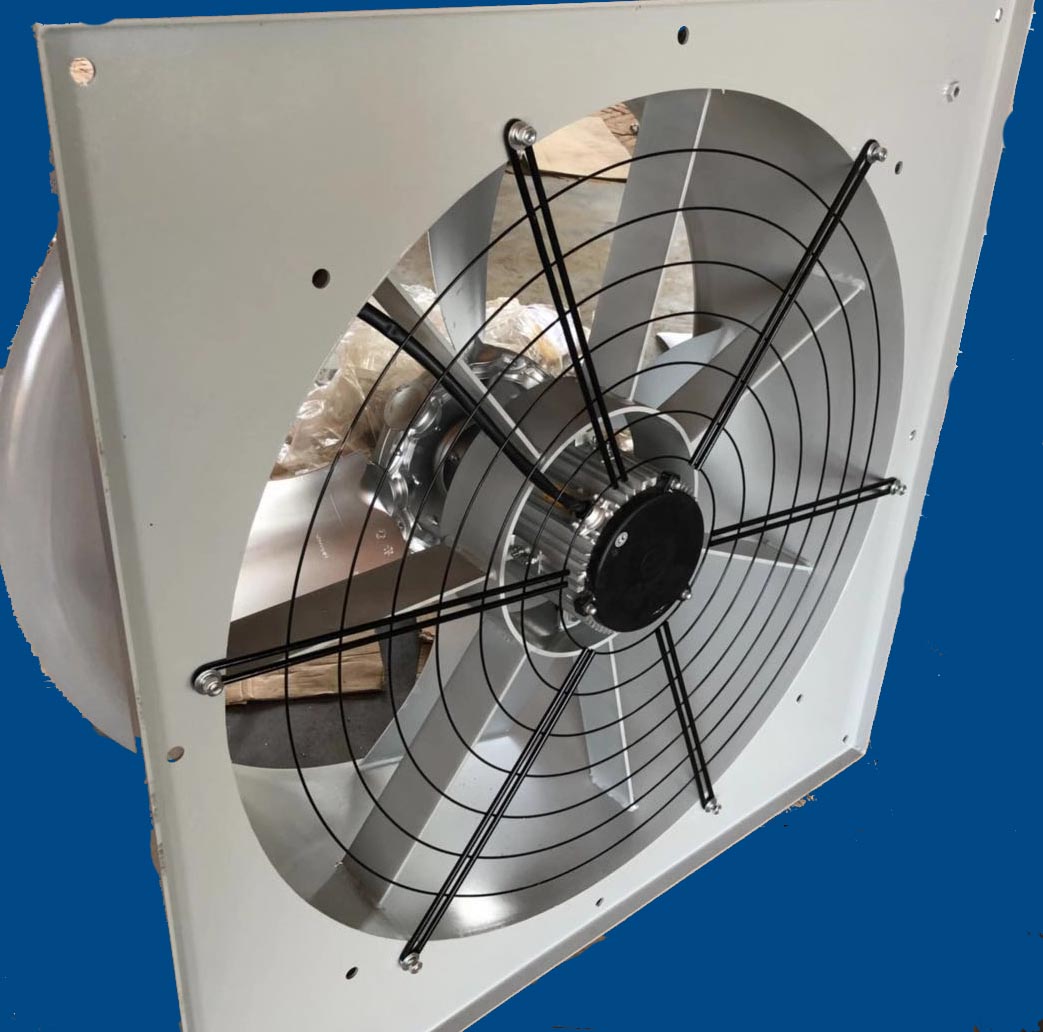
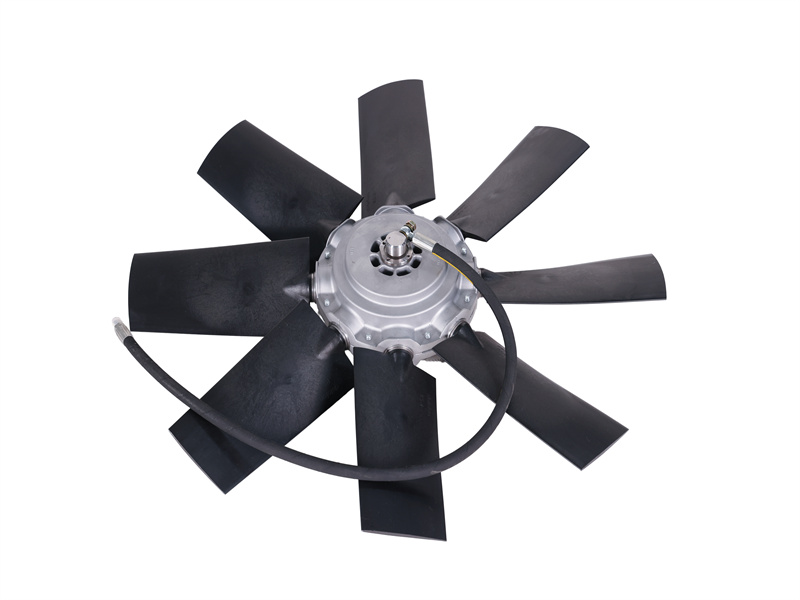
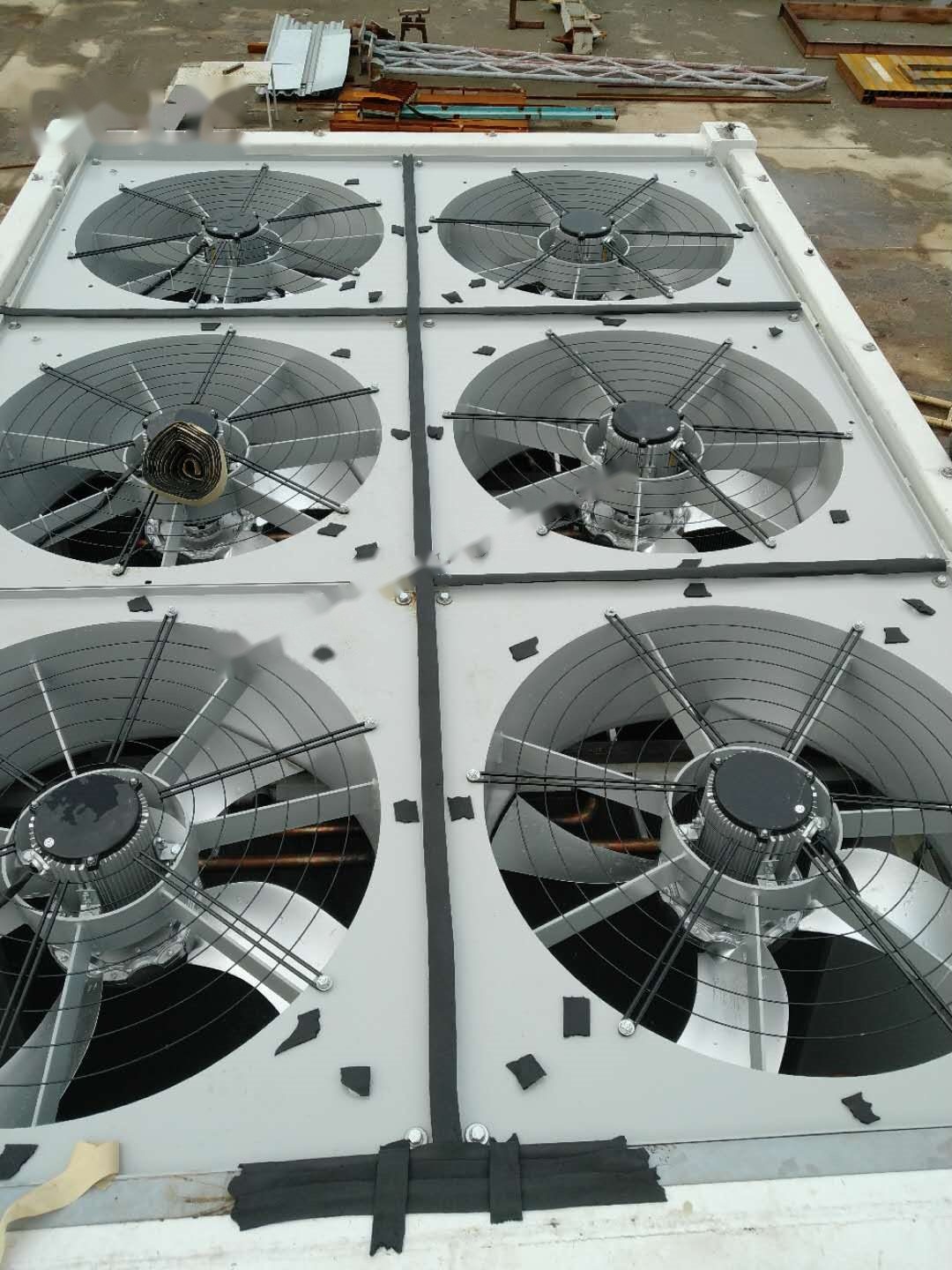
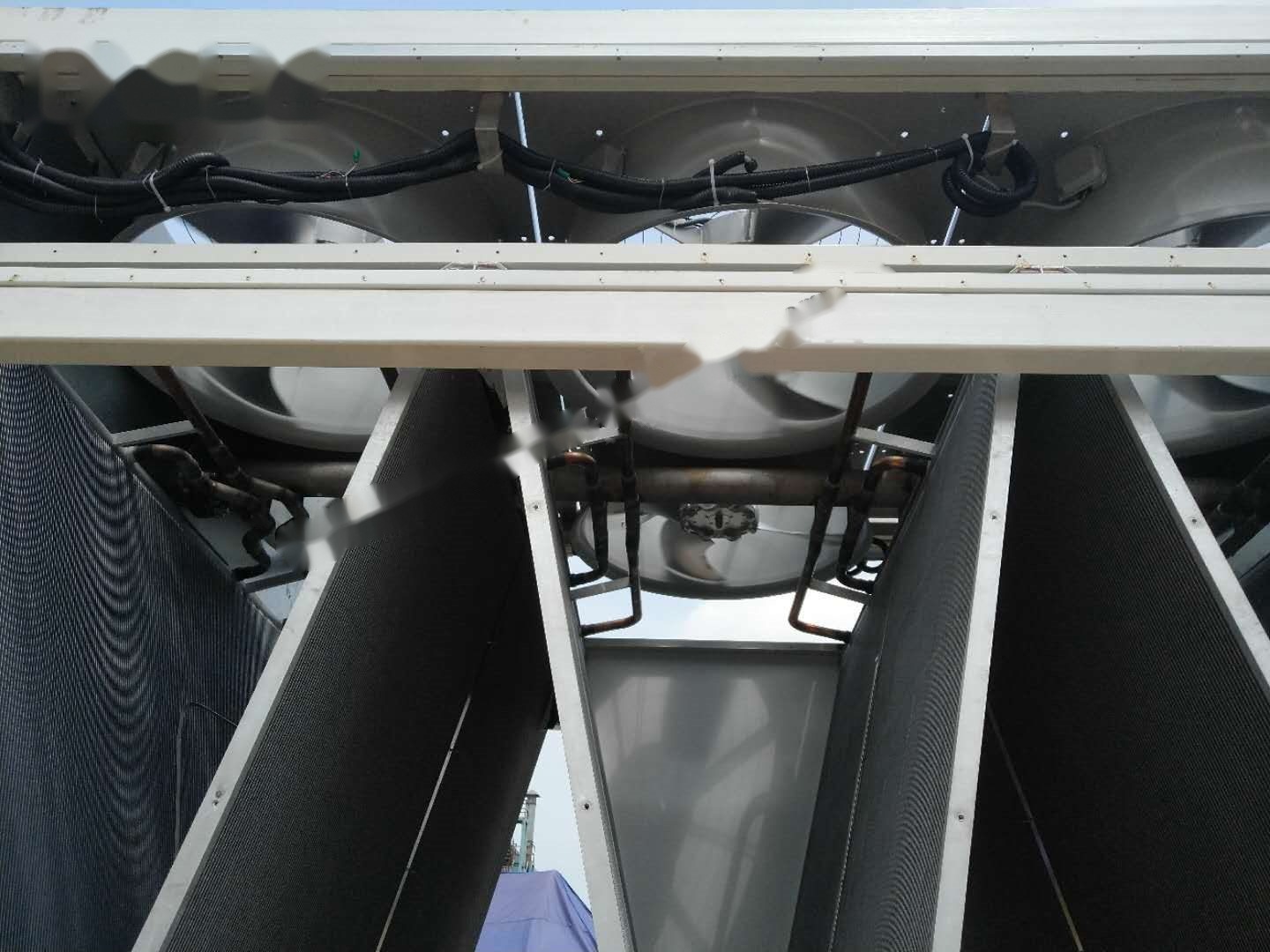
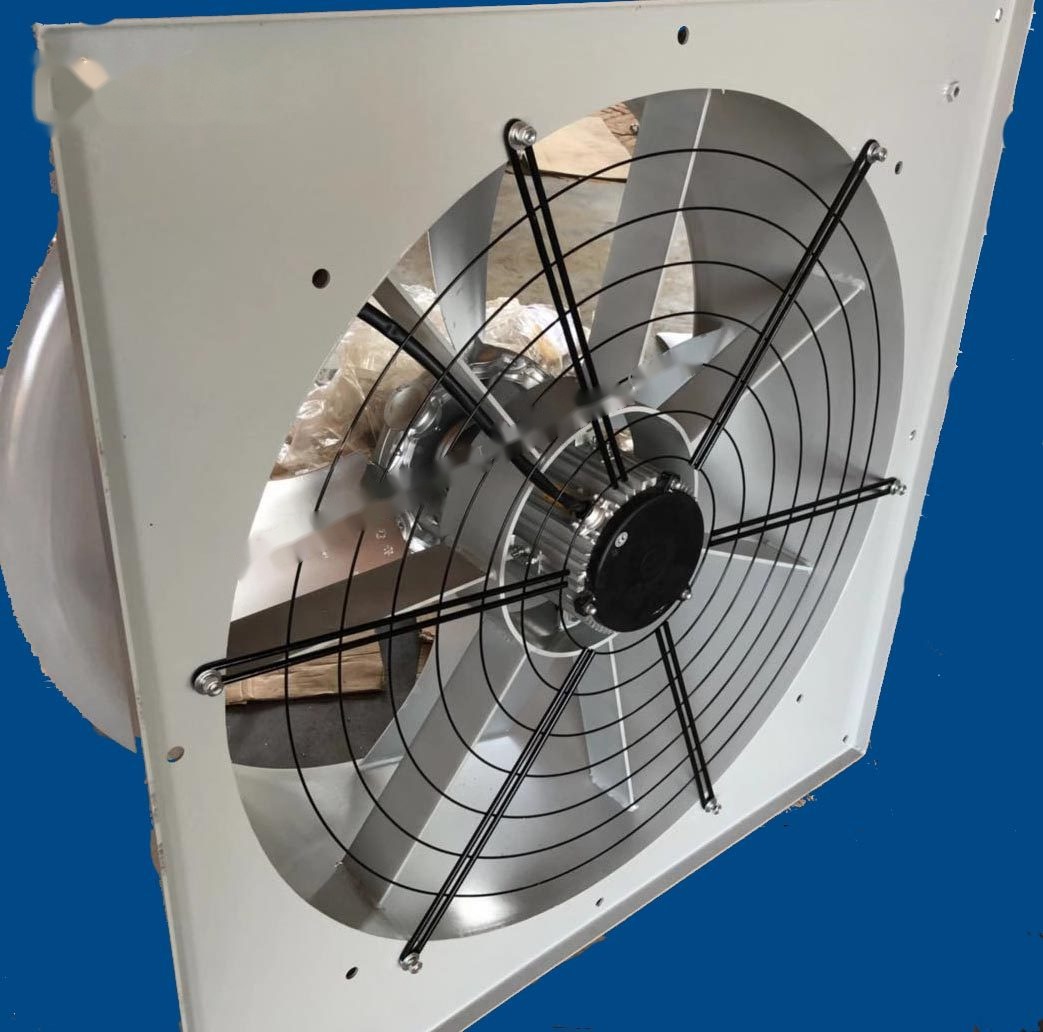
So what role do DELE fans play in this thermal power generation?
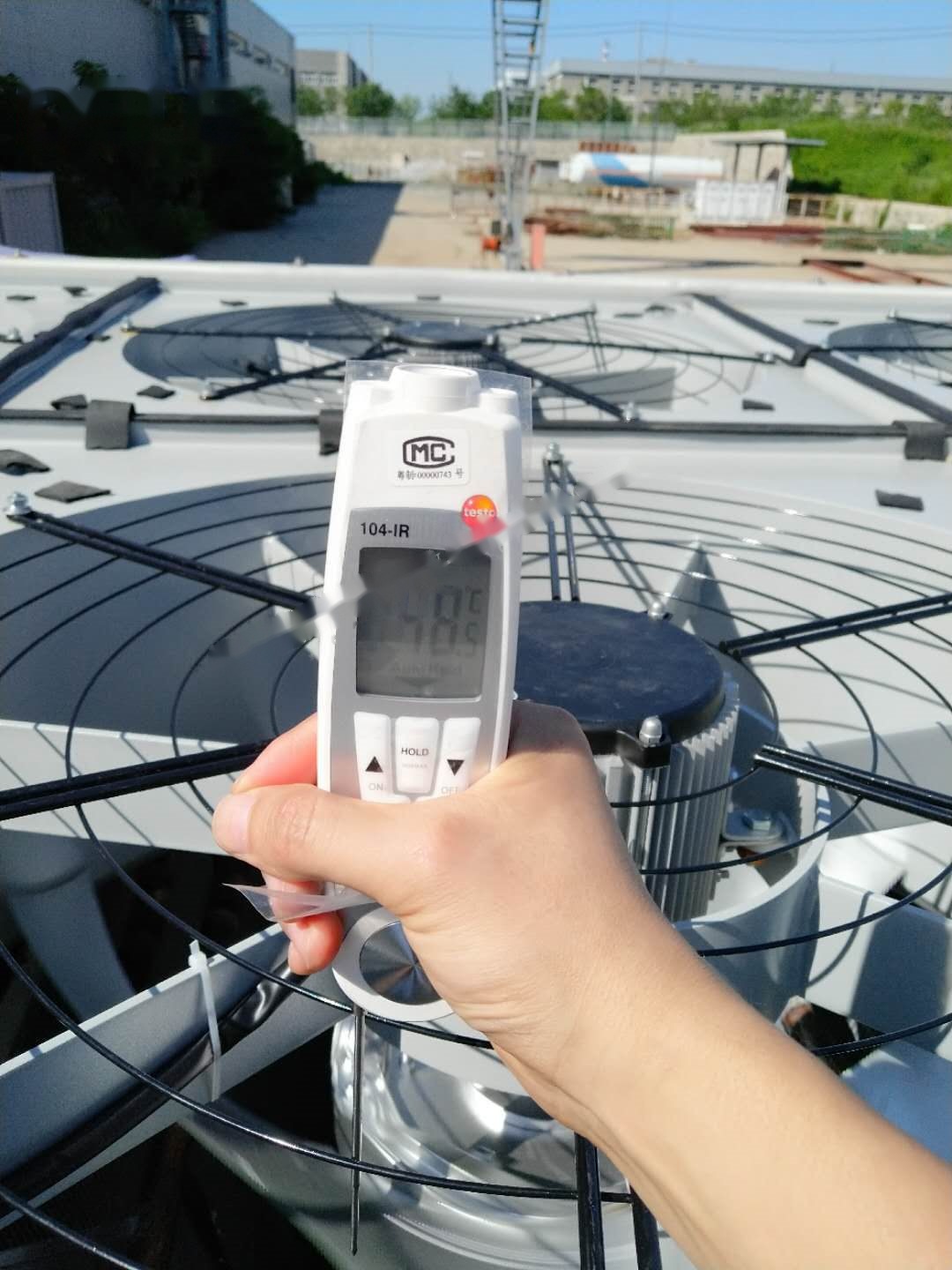
Using waste heat above 90 °C from internal combustion engines, geothermal sources, chemical plants and natural gas, a unit can generate 90 kWh every hour, or 770,000 kWh a year, worth roughly RMB 580,000, and the power can be fed directly into the grid. DELE fans save 4.2 kWh per hour compared with fans from other brands: running 24 hours a day, that means 100.8 kWh more generation, and 36,000 kWh a year saved for the operator, or about RMB 27,000. The economic value is therefore considerable, and when it comes to energy consumption, DELE makes every fraction of a kilowatt-hour count. As long as waste heat is supplied, the unit generates power steadily and continuously. The critical parameter in waste-heat recovery is generation efficiency, and the component with the largest parasitic power draw in the whole system is the cooling fan. The higher the fan's efficiency, the more power the unit produces. After seven days and nights of continuous testing and refinement, DELE fans achieved an exceptionally high efficiency, 20% higher than comparable fans from other brands. That figure was a key parameter for the Myanmar project, and it shows that a Chinese-made fan can now match the performance of premium international brands.
Fan reliability exceeds five years, and spare parts are standardized so that they can be exchanged easily.
China still has substantial room to make use of its waste-heat resources. The United States currently leads in waste-heat utilization at 60%, Europe stands at 50%, while China reaches only 30%. The gap is so wide, and the utilization rate so low, because of technology.